Pour-over is not just a mixture technique, it is a design of attention. You manage the warm, the flow, the grind, the bloom. The coffee awards that self-control with clarity that no pump-driven gadget can match. To get that crystalline cup, the beans matter greater than any kind of gooseneck kettle you can purchase. When you order beans for home delivery, you're putting depend on in the roaster's hands as much as your own. Quality home windows, range choice, roast profile, packing, and shipping all turn up in the cup. The distinction between a transcendent V60 and a hollow, papery mixture commonly starts at the roast workdesk and ends at your doorstep.
I have actually spent enough early mornings tasting alongside to understand where pour-over sings and where it damages. I've likewise checked lots of coffee memberships, single-lot launches, and area roasters that ship country wide. The purpose below is to lead you via the roaster and distribution options that consistently become elegant pour-overs. We'll chat selections and processing, roast designs that match paper-filtered brews, why water task numbers matter greater than marketing duplicate, and which shipment programs really safeguard your beans. I'll likewise discuss spending plan options without giving up requirements, due to the fact that "affordable" can be smart if you understand just how to choose your spots. If you came here searching for Best coffee beans delivered or Best coffee beans delivery, you'll find sensible names and the reasoning behind them. If your concern is Cheap coffee beans delivered, there are techniques for that, also, without wandering into bitter bargain-bin territory.
The difference pour-over demands
Pour-over stresses high-toned aromatics, clean level of acidity, and a split finish. French press endures harsh edges and metal mills. Espresso can conceal a tired roast behind stress and milk. Pour-over will not forgive old beans, unequal roasting, or careless processing. A 12-day-old washed Ethiopian from a cautious roaster can taste like bergamot syrup. The exact same coffee at 35 days, shipped in a slim bag without a shutoff, will push towards papery dryness and faded florals.
Your buying standards should track what the filter extracts.
- Checklist for pour-over bean selection:
The checklist is short intentionally. Every little thing else, from the fancy bag style to the story about the ranch dog, counts much less than these five.
Roast profile that flatters a filter
I've cupped thousands of roasts focused on pour-over dishes. What separates the best are two points: sufficient Maillard advancement to lug sweetness via the finish, and restraint at a time temperature level to maintain unstable aromatics. You'll see roasters describe "Nordic-light," "filter roast," or "light-development 3rd fracture" jokes. Disregard lingo and search for a few clues.
- Roast day is front and facility, not buried. Filter-specific accounts detailed, sometimes with brew recommendations and target complete dissolved solids. Density and display size notes, a tip that the roaster tunes warm application to the green.
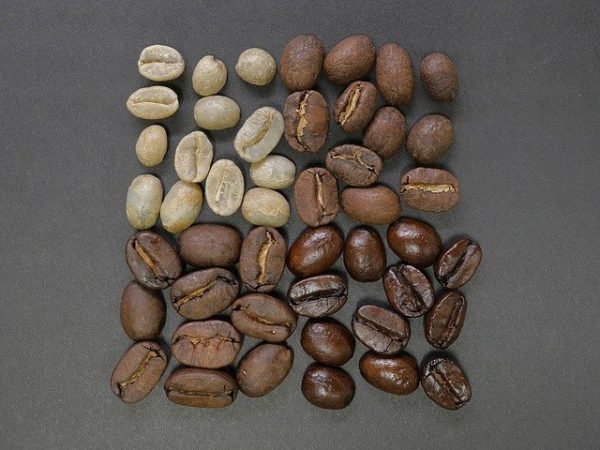
A roast that stops too early gives verdant, underdeveloped notes and sour, needly acidity. Overdeveloped "comfort light" roasts taste brown and vague. The wonderful area for pour-over: shade analyses in the mid to high 60s on an Agtron premium range, typical end temperature levels around 396 to 404 Fahrenheit for many washed Ethiopians and Kenyas, with reasonable variants by bean thickness. You do not require those numbers to go shopping, however when a roaster publishes them, it indicates care. At the minimum, try to find descriptors like white peach, jasmine, lime zest, pink grapefruit, oolong, cane sugar. Stay clear of roasts marketed as "coffee just" unless the roaster explicitly specifies it works for both.
Origin and processing options that shine through paper
Washed Ethiopian and Kenyan whole lots remain the protagonists for pour-over clarity. Their high-grown elevation, cool nights, and traditional damp handling produce coffees that couple naturally with paper filtering. Look for Ethiopia Yirgacheffe, Guji, Sidama, or Limu, and for Kenya AA and AB whole lots from Nyeri or Kirinyaga. These frequently bring lemon sweet, blackcurrant, violet, and rock fruit with a tea-like structure.
Colombia gives incredible versatility. Producers in Huila, Nariño, and Cauca are supplying washed and gently fermented profiles that balance cocoa sweet taste with citrus or florals. Good roasters treat these coffees as a daily motorist, chameleons that taste excellent at various mixture temperatures without penalizing your palate.
Costa Rica and Panama contribute honey refined and washed great deals that keep their stability in pour-over. Honey handling can bring a rounder texture. Try to find producers that work meticulously, given that careless honey or all-natural processing includes ferment aromas that taste muddy on filter. Ethiopia naturals are the exemption when they are clean, blueberry-forward, and dried carefully. These can seem like dessert, but they need accurate brewing to prevent jammy weight without structure.
If you love uncommon varieties, Gesha/Geisha from Panama and Colombia respond beautifully to pour-over, yet they require exactness and budget. On the tasty side, specific Rwandan and Burundi coffees give you rose, orange oil, and cooking flavor, amazing for slow-moving Saturday mornings with a ceramic dripper.
What freshness truly implies when purchasing delivery
You'll see "freshly roasted" tossed throughout retail web pages. The coffee needs rest, generally 3 to 7 days after roast, to off-gas enough CO2 for stable removal. Lighter filter roasts often hit their stride in between day 5 and day 14. After day 21, even in high-barrier bags, the pinnacle discolors. That indicates the delivery strategy matters more than the roast date alone. A bag baked Monday, shipped Tuesday, and provided Thursday is excellent for a weekend break mixture. A Friday roast that rests at a carrier hub up until Monday will feel rough for an additional couple of days.
The best coffee beans delivery programs let you select roast day or delivery tempo that straightens with when you brew one of the most. Some also hold deliveries to stay clear of weekend limbo. Nitrogen-flushed, one-way-valve bags aid, but they are not magic. Oxygen scavengers prolong life a little, especially if you will not complete the bag promptly. If you portion and freeze, you can expand peak top quality throughout weeks, however only if you do it right.
A real-world examination: two Ethiopians, exact same origin, different delivery
I ran a simple experiment last spring. 2 cleaned Ethiopians from adjacent zones, both roasted light by respectable roasters. One roaster published the roast curve and shipped within 24 hr in a valved, high-barrier bag with tracked two-day air. The various other delivered ground service the day after roast, gotten in a basic foil bag. The very first gotten here on day 3, the 2nd on day 7, after a weekend break hold.
At day 5, the fast-shipped bag tasted like lemon sorbet and jasmine with a lingering sugar-cane sweet taste. The slower bag revealed grapefruit pith and papery dry skin. Exact same mixture recipe, exact same mill, even the same TDS. By day 10, the second bag boosted some, however it never caught up. Distribution technique and packaging swallowed the difference. When people talk about Best coffee beans delivered, they're commonly really speaking about ideal beans plus finest logistics.
Subscriptions vs one-off buys
Subscriptions keep your shelf full and can conserve you money, but they differ wildly in quality assurance and curation. For pour-over perfectionists, the optimal subscription allows:
- Choice of filter-specific roasts with beginning range instead of a dealt with "residence light." A roast-day calendar with the choice to match your delivery to your mixture schedule. Pause, avoid, and quantity controls without penalties.
Multi-roaster subscriptions can reveal you to brand-new origins and profiles. The threat is incongruity in roast style and delivery. Single-roaster memberships maintain a house visual, so if you like their interpretation of light roast, you'll obtain foreseeable outcomes. For Cheap coffee beans delivery, try to find seasonal blends developed from high quality parts rather than end-of-lot leftovers. When roasters are transparent, a value mix can make like a solitary beginning on pour-over, just with a narrower aromatic window.
Names worth recognizing and why they work
Rather than a long directory site, right here is how to recognize a roaster that will deliver exceptional beans for pour-over:
- They publish roast days prominently and commonly ship within 24 to 48 hours. They tag coffees as filter or omni-roast and provide sincere sampling notes. They information processing and farm info beyond "washed" or "natural." They use high-barrier packaging with a shutoff and often nitrogen flushing. They offer tracked shipping that stays clear of weekend break delays.
In method, I have actually had regularly excellent pour-over arise from roasters that fulfill these standards. When examining a brand-new roaster, begin with their cleaned Ethiopia or Kenya and a Colombia that they declare is a filter roast. If both land in your pleasant spot, explore their riskier naturals and experimental ferments.
Cheap without compromise: where "value" beats price
Cheap coffee beans supplied can imply 2 things: affordable price or high value. I chase after the second. Right here are real techniques that maintain quality high and prices reasonable:
- Buy throughout harvest home windows. When a new-crop East African lands, several roasters run introductory pricing for the very first two to four weeks. Those are peak quality and cheapest prices, an unusual intersection that prefers you. Opt for 2-pound or kilo bags from a roaster you already depend on. The per-ounce cost decreases drastically. Portion and freeze right now to preserve peak flavor. Choose seasonal blends with clear parts. A mix of 60 percent cleaned Colombia and 40 percent cleaned Ethiopia can brew magnificently for pour-over when it is made for filter extraction. Subscribe for a versatile cadence and skip every various other shipment as needed. Lots of roasters use 10 to 15 percent off plus free shipping on subscriptions. Look for regional roasters with national shipping that roast on collection days. Their overhead is less than big-brand advertising machines, and their coffee can outperform at a better price.
Note the difference between budget plan and incorrect economic situation. A $12 grocery bag baked 6 weeks ago will cost you extra in lost early mornings than minority bucks saved. If you genuinely need Cheap coffee beans delivered, prioritize roast day, delivery time, and origin clearness over elegant processing experiments.
Brewing factors to consider that expose the roast
Even excellent beans can go level if your brewing is at probabilities with the roast. For light filter roasts, a somewhat better work and reduced water temperature than you may expect can improve sweetness without compromising clarity. I normally fall between 92 and 95 Celsius, readjusted by coffee thickness and origin. High-grown Kenya usually prefers the warmer end to open currant sweetness and stay clear of tomato-leaf notes. For delicate Ethiopians, 93 Celsius protects florals.
Rinse paper filters longer than you think, specifically if you use thick filters. That paper preference appears most highly between days 7 and 14, right when you're anticipating the coffee to sing. Pre-wet the bed gently throughout blossom, after that use a controlled spiral gather 2 or three pulses. Turbulence issues. Too terrible and you'll draw astringency; too shy and you'll under-extract. I go for 2:45 to 3:15 total time for a 20-gram dosage at a 1:16 proportion on a V60 or conical dripper. Flat-bottom drippers endure a coarser grind and a somewhat greater dosage. Maintain notes. The best coffee beans delivery just matters if you can duplicate your wins.
Packaging, oxygen, and the fridge freezer question
Oxygen damages freshness. Good bags slow oxygen access, however they do not stop it. If you acquire more than you'll consume in 10 days, portion into tiny, closed containers or freezer-safe bags. Freeze right after the beans remainder, preferably day 3 to 7. I like 20 to 25 gram parts. Purge the headspace if you have a handheld vacuum cleaner gadget, although a simple zip bag pushed level jobs well. Thaw secured to prevent condensation and work while the beans are still great. Icy beans crack cleanly, which can enhance grind uniformity on some burr sets.
Do not save coffee in the refrigerator. The temperature swings and humidity will certainly dull the aromatics much faster than the freezer extends them. If you see "nitrogen flushed" on a bag, treat it as an added couple of days of poise, not a month-long hall pass.
Security in shipping: exactly how to avoid stagnant arrivals
Shipping is the least enchanting part of fantastic coffee, yet it is the most sensible. If you live in a hot environment, prevent doorstep deliveries that sit in mid-day sun. Track the plan and, preferably, supply to a workplace or parcel storage locker. Many roasters let you choose carriers. In my experience, two-day air beats ground for consistency, not just speed up, due to the fact that the plan experiences less depot transfers. If you brew mainly on weekend breaks, schedule deliveries to get here Thursday or Friday so the beans rest right into your pleasant place by Saturday morning. Best coffee beans delivered ways your calendar lines up with the roaster's.
Specialty great deals vs day-to-day drivers
Single-farm, micro-lot coffees are thrilling on pour-over. They also rise and fall from sublime to perplexing as they age. For an everyday routine, maintain a "home filter" in your turning. A washed Colombia or Guatemala with notes of orange, almond, and panela is the open door, the coffee you can brew while half sleeping and still get a composed cup. After that revolve in the show-stoppers: a Kenyan with blackcurrant and hibiscus; an Ethiopian with bergamot and peach; the occasional natural that tastes like blueberry pie without scenting like jam. This mix keeps your taste sharp and your budget steady.
A few situations and what I 'd order
A buddy in Chicago makes a Kalita every morning and kills a 12-ounce bag in a week. She wants florals but not astringency, and she rejects to fuss with recipes. She orders a washed Ethiopia filter roast, shipped Monday, gets here Wednesday, made Thursday to Wednesday and replaced. The subscription conserves her 10 percent, and she never ever chases tracking numbers.
A pair in Phoenix beverages pour-over on weekend breaks just. They desire Best coffee beans delivery without spending for once a week shipments that stagnate. They get a kilo of cleaned Colombia and freeze it in 25-gram packets. They supplement with periodic 250-gram bags of Kenyan microlots for unique early mornings. The result is high-end flavor at a sensible price per cup.
A student with a hand grinder and a Hario Switch over wants Cheap coffee beans delivery that still tastes tidy. They select a seasonal mix created for filter, roast day inside a week, and a local Colombia when it gets on sale. They purchase 2 12-ounce bags each month and time the deliveries to stay clear of weekend break holds. Their average cup cost is barely over grocery store coffee, with none of the cardboard finish.
How to review tasting notes without obtaining fooled
Tasting notes are maps, not promises. If every coffee on a roaster's site claims "delicious chocolate, sugar, nuts," they either lean darker or they're unclear on purpose. Light filter roasts ought to note fruit and florals when present, and the much better roasters will supply framework descriptors like "oolong-like," "shimmering," or "silky." I pay attention to second-order notes: "bergamot, white peach, cane sugar" implies raised acidity backed by sweetness. "Red apple, cacao, almond" signals a calmer, daily chauffeur profile. "Berry compote, cooking seasoning" in an all-natural advises of prospective heaviness that may need work and temperature adjustments.
If the roaster releases water referrals, that is an incentive. Solidity and alkalinity form level of acidity and sweetness. A lot of pour-over coffees radiate with 50 to 80 ppm general solidity and 30 to 50 ppm alkalinity. If your faucet water tastes milky, take into consideration a filter or a simple mineral dish for pure water. The beans can only do so much.
A short technique to review a new delivery
When a brand-new bag arrives, I run 3 mixtures over three days, changing a solitary variable each time. Day one: common dish at 93 Celsius, 1:16, 3-minute target. Day two: change grind one notch finer, lower water to 92 Celsius if level of acidity bites, or increase to 95 if the cup feels hollow. Day 3: change the pour pattern to control drawdown, including or removing a pulse to form body. Take brief notes. https://raymondtzuy431.fotosdefrases.com/seasonal-specials-limited-version-coffee-beans-delivered If a coffee withstands sweet taste after three efforts, it's possibly a roast inequality for your choices. Life is too short to wrestle a reluctant cup every morning.
Judging distribution programs fairly
I keep a straightforward scorecard when evaluating Best coffee beans delivered:
- Timing: did the shipment show up within 3 to 5 days of roast and within the asked for window? Integrity: was the bag secured, with a working shutoff and no overheated aroma? Transparency: did the tag consist of roast date, lot info, and handling details? Consistency: did the 2nd shipment of the exact same item preference within the exact same profile? Support: when I had a problem, did they react promptly and remedy it?
A roaster that ratings well on all five normally gains an area in my rotation for months. When the coffee is excellent but logistics fail, I stop and review later. For pour-over, dependability is part of quality.
Where deluxe fulfills restraint
Luxury in coffee is not Swarovski covers and gold-plated kettles. It is the peaceful confidence that every pour extracts something worth your time. It is opening a bag and being welcomed by a perfumed wave of citrus and florals, not stagnant nut fragrances. It is a roaster that cares sufficient to ship on your timetable, a farm that refined easily, and your very own consistent hand on the pour. The most effective programs make that deluxe regimen. The minute you can brew a translucent, wonderful, verbalize mug on a Tuesday prior to a conference, you have actually located your lane.
If you're still weighing choices, begin simple: a cleaned Ethiopian filter roast from a roaster that ships within two days, getting here midweek. Make it at 93 Celsius, 1:16, with a complete filter rinse and a controlled two-pour routine. Maintain a Colombia in the wings for daily integrity. When you wish to spend lavishly, purchase a Kenyan AA with a guarantee of blackcurrant and soda spice. Use memberships for predictability and mild discount rates, and big bags plus cold for value. That is the map for Best coffee beans delivery, whether you prize pure efficiency or you quest for Cheap coffee beans delivery strategies that do not boring your cup.

A short, useful acquiring plan
- Pick 2 roasters that release roast days, filter roasts, and shipping schedules. Subscribe to a 12-ounce filter Ethiopia from one and a Colombia from the other. Time shipments to strike your rest window. If you make weekends, schedule Thursday arrivals. If you brew daily, go for midweek. Keep a kilo bag in the freezer, portioned, for safety stock. Revolve in single-lot microlots for range when you feel like a treat. Track what works. When a roaster nails your preferences two times straight, lean into their seasonal releases. When budget tightens, change to clear blends and larger bags as opposed to decreasing freshness standards.
The pour-over routine incentives this kind of treatment with a mug that tastes easy. Beans that show up fresh, baked for filter, and matched to your taste buds will make that initial sip stretch time. That is the quiet high-end of having the most effective coffee beans delivered right to your door.